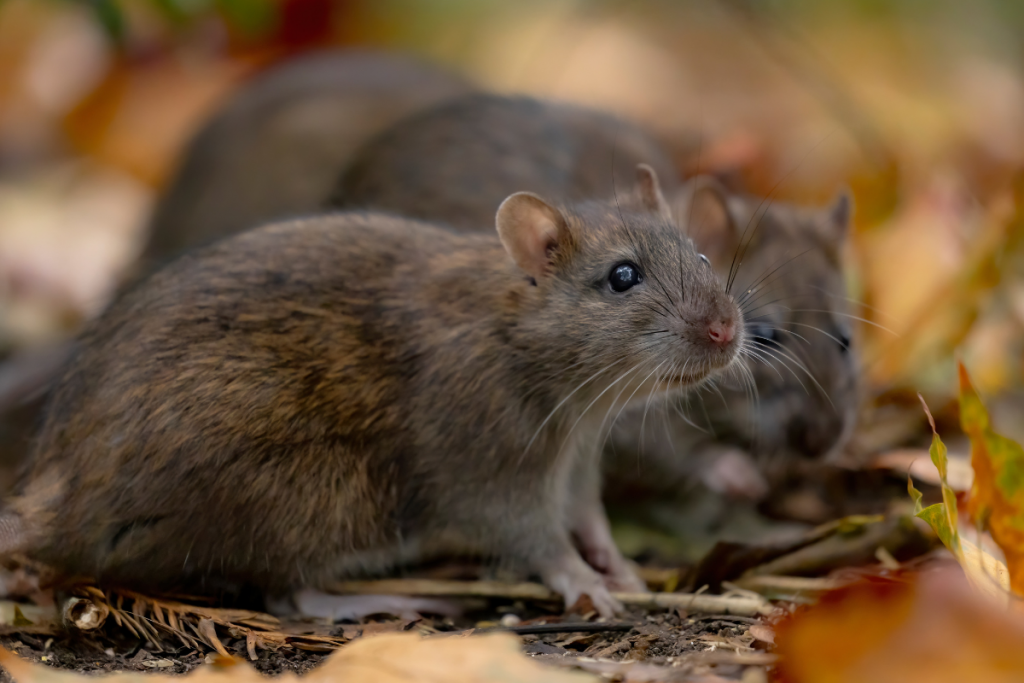
For decades, our understanding of sleep has been confined to the sterile and controlled environments of university laboratories. We know how a laboratory rat sleeps in a plastic cage with regulated light and temperature, but we have remained remarkably ignorant about how their wild cousins survive in the unpredictable real world. A landmark study has finally broken this barrier. By leveraging advanced and low power biologging technology, researchers have successfully recorded the first high resolution brain activity of wild rats in a semi natural environment.
The Challenge of the “Wild” Brain
Studying the brain in the wild is a massive engineering hurdle. To identify sleep stages like Rapid Eye Movement and Non REM sleep, scientists must record electroencephalogram and electromyogram signals. Traditional equipment is often too bulky or heavy and requires restrictive wires that a wild animal would immediately damage or get tangled in while navigating its environment.
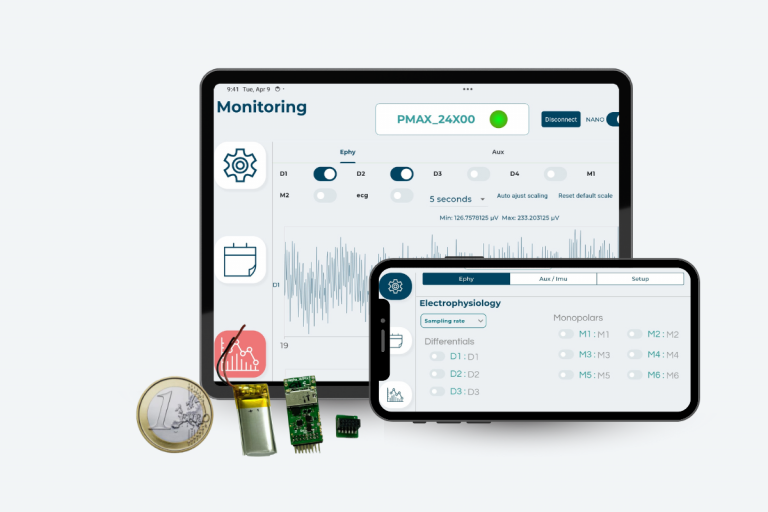
The research team utilized the Phynitty system to overcome these obstacles. Specifically, they employed the Phynitty P-Nano which is a key model within the Phynitty product line. This compact multimodal recorder is specifically engineered for high fidelity neuroscience research and supports the synchronized collection of neurophysiological and behavioral data. The researchers required a device small enough to be worn by a rat weighing between 200 and 500 grams without hindering its natural movements. The P-Nano proved powerful enough to record neurological data for several consecutive days, serving as a proof of concept that modern sensors can capture scientific grade signals even in complex habitats.
Simulating the urban ecosystem
The research focused on brown rats housed in a large outdoor enclosure designed to mimic their natural urban habitats. This space included soil for digging as well as complex tunnel systems and social structures.
The technical advantage of using the Phynitty P-Nano device lies in its extreme efficiency and compact footprint. It allows for high quality data collection without the thermal or weight issues that often plague mobile sensors. This ensured that the rats could engage in natural behaviors such as tunneling or climbing and social interaction without the equipment influencing the very data the scientists were trying to collect.
The reality of fragmented sleep
The high resolution data revealed a striking fragmentation of sleep that is rarely observed in laboratory settings. In the wild, sleep is not a guaranteed period of rest but rather a state of vulnerability. The rats exhibited significantly shorter sleep bouts which is likely an evolutionary adaptation to remain vigilant against potential predators or environmental changes.
Interestingly, the study confirmed that despite the chaotic nature of the wild environment, the fundamental architecture of sleep remains intact. The cycling between different sleep states suggests that the biological drive for specific sleep stages is incredibly robust and persists even under the harsh and unpredictable pressures of survival.
A new era for field research
The publication in Scientific Reports is more than just a biology paper because it provides a validation of hardware miniaturization in field science. It marks the end of an era where accurate neurological data was synonymous with stationary subjects.
By proving that the Phynitty device and similar sensors can operate in the dirt and tunnels and social chaos of a wild rat colony, the study opens new doors for ethology and neuroscience. We are now entering a phase where we can study the brain in its true context. This offers a clearer picture of how life balances the essential need for sleep with the relentless demands of the real world.